Inspiritus Savannah: Understanding the Refugee Resettlement Process
Overview
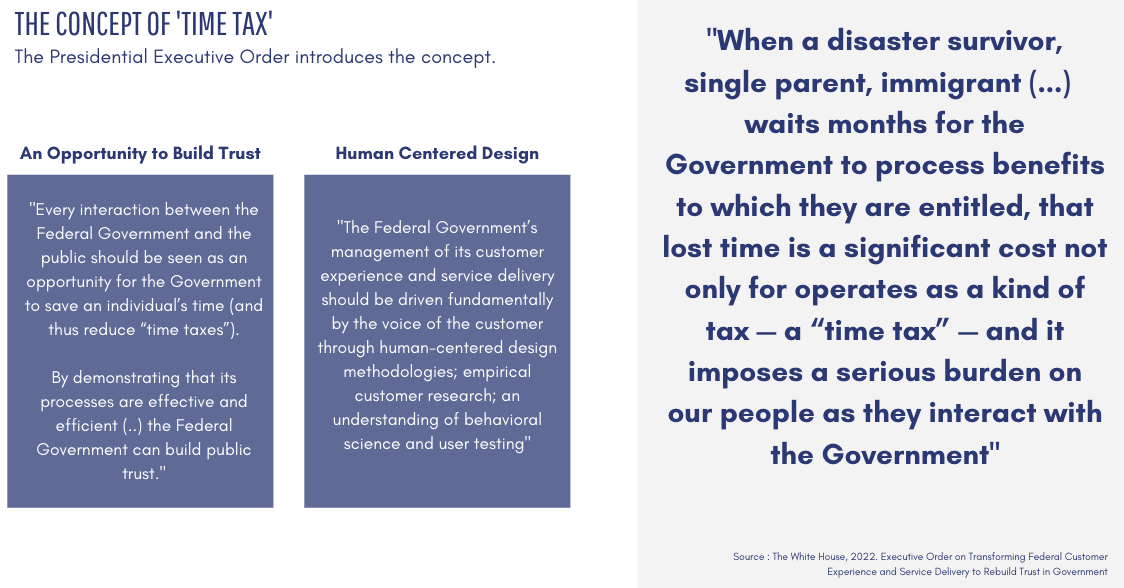
This service design project practiced a systemic approach to problem solving; A complex issue involving many stakeholders, organizations and the community. Focusing primarily in the process of resettlement of refugees in a new community, learning about the common struggles and how the current systems in place are performing. Using Service Design tools to understand the current experience and come up with final deliverables that summarize the learnings, to iterate with the NGO to be used as an internal learning tool and to condense a first batch of ideas to move forward with incremental changes to improve not only the refugees experience in Savannah during their first months, but also to enhance the NGO performance, moving towards a more efficient use of their resources and those of their volunteers and sponsors.
Introduction
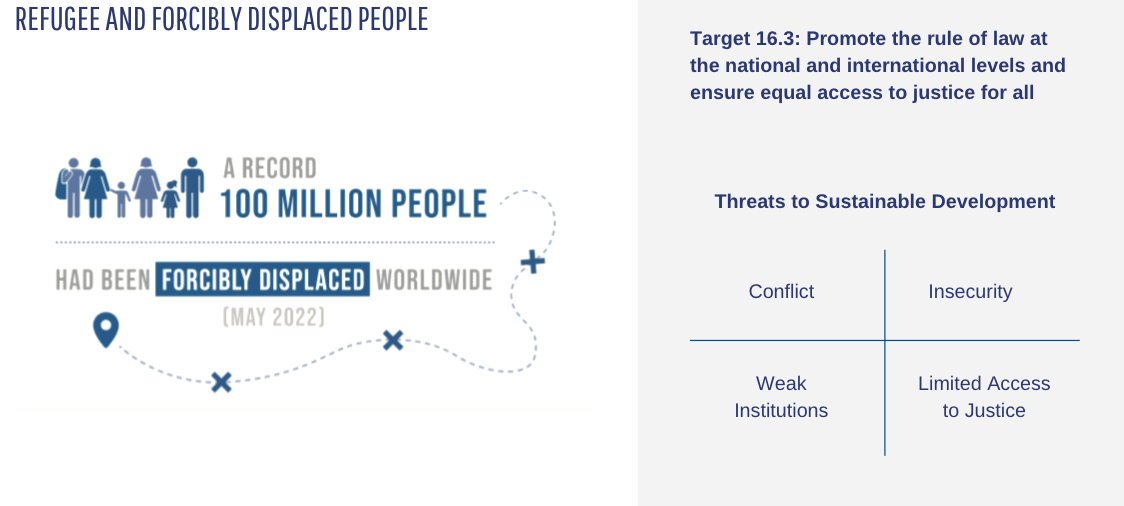
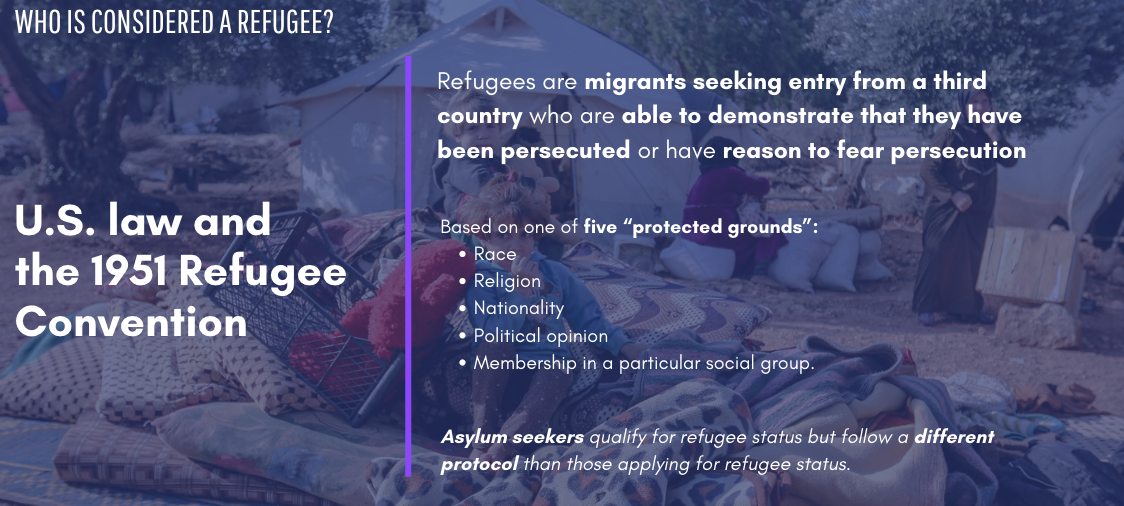
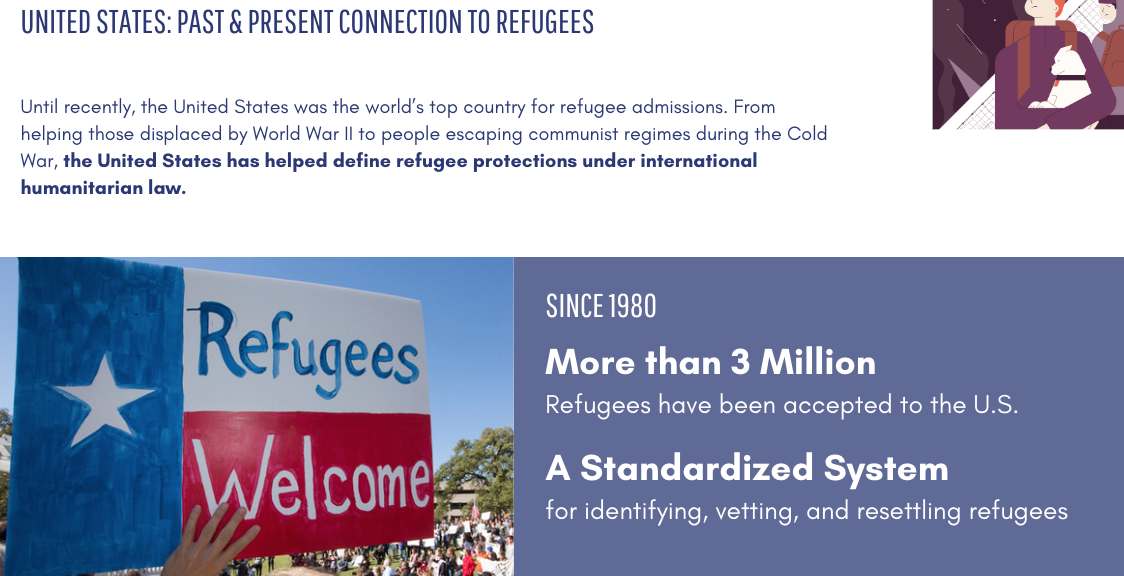
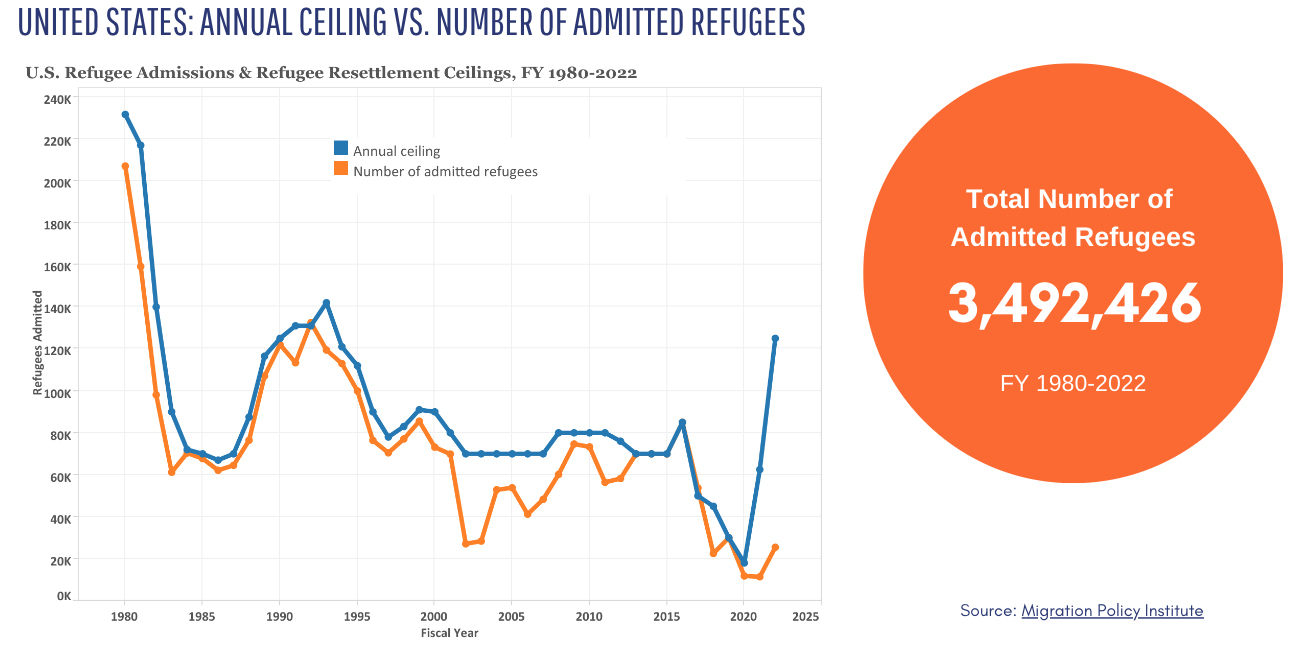
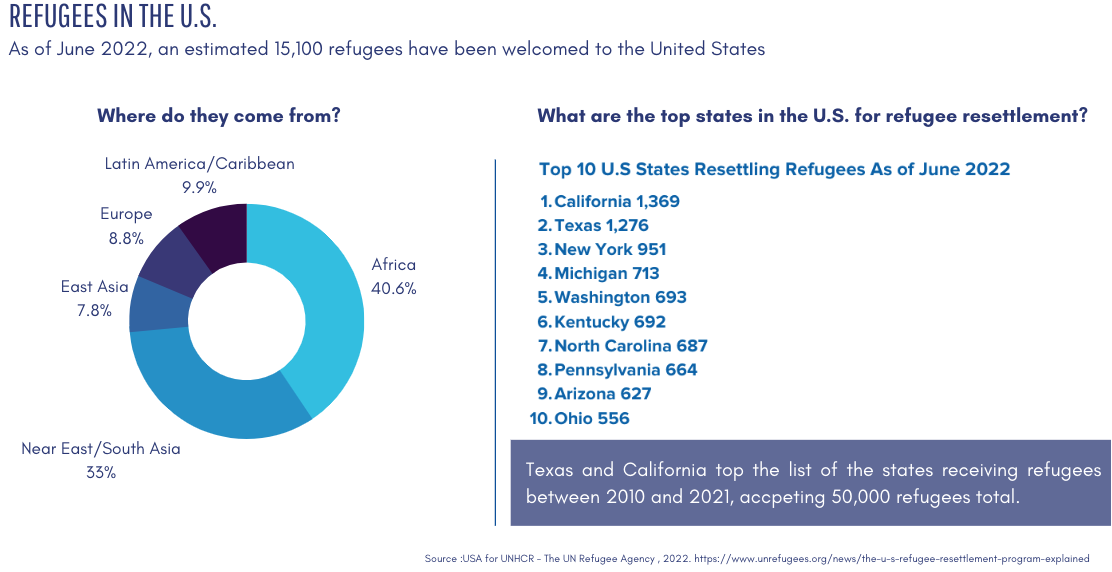
Reflecting on UN’s Sustainable Development Goal Number 16: Peace, Justice and Strong Institutions, the team started to research on figures and facts on Forcibly Displaced People.
Primary Research
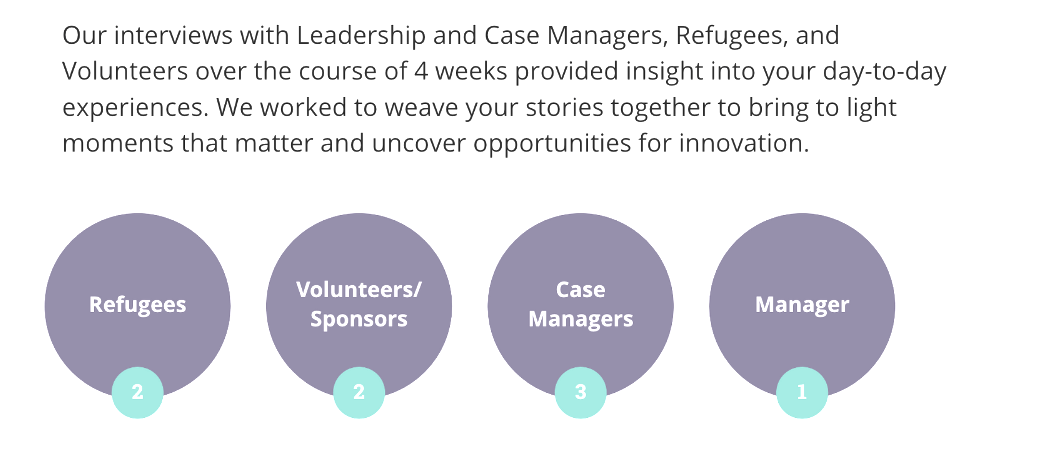
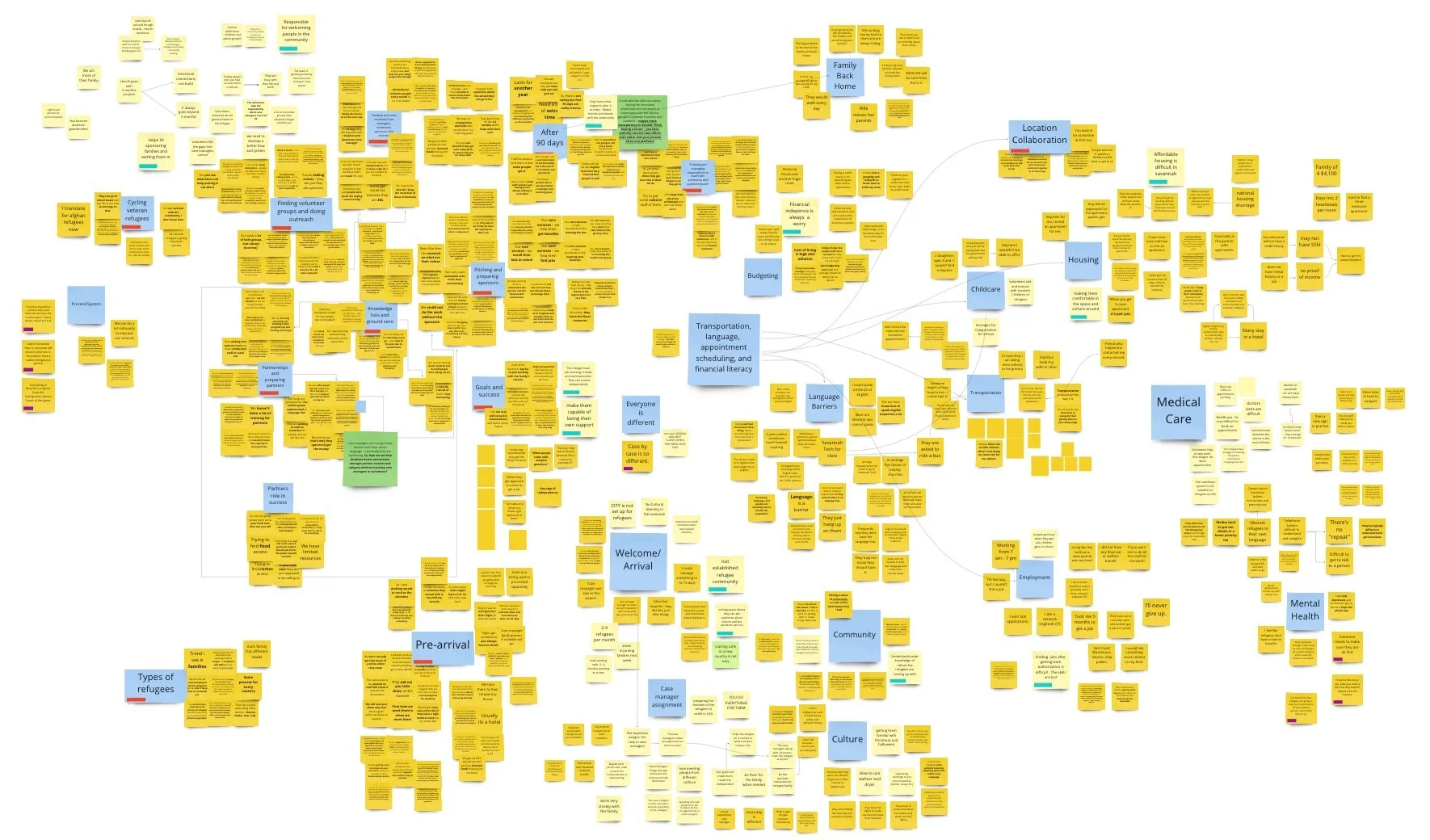
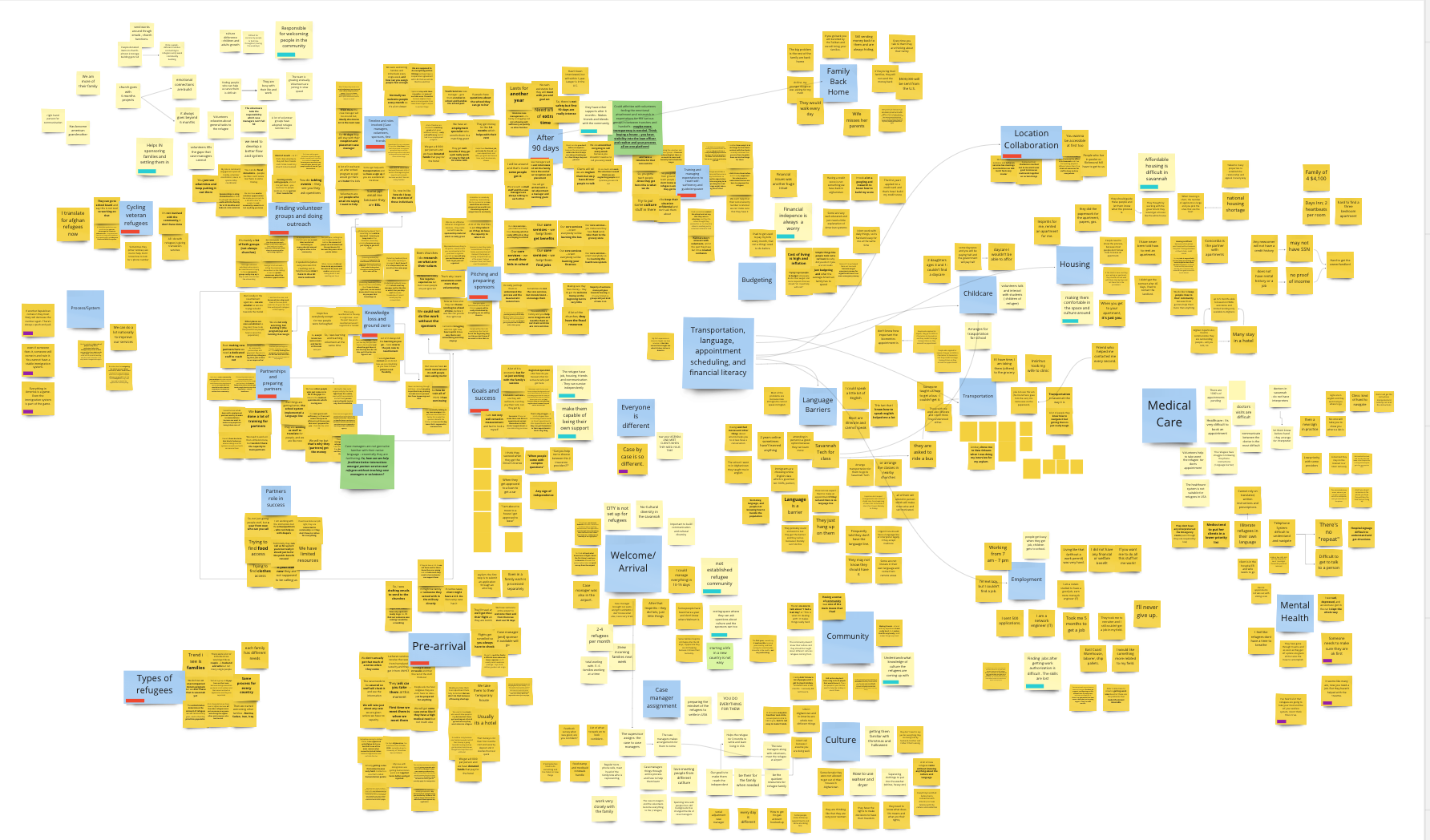
data affinitization
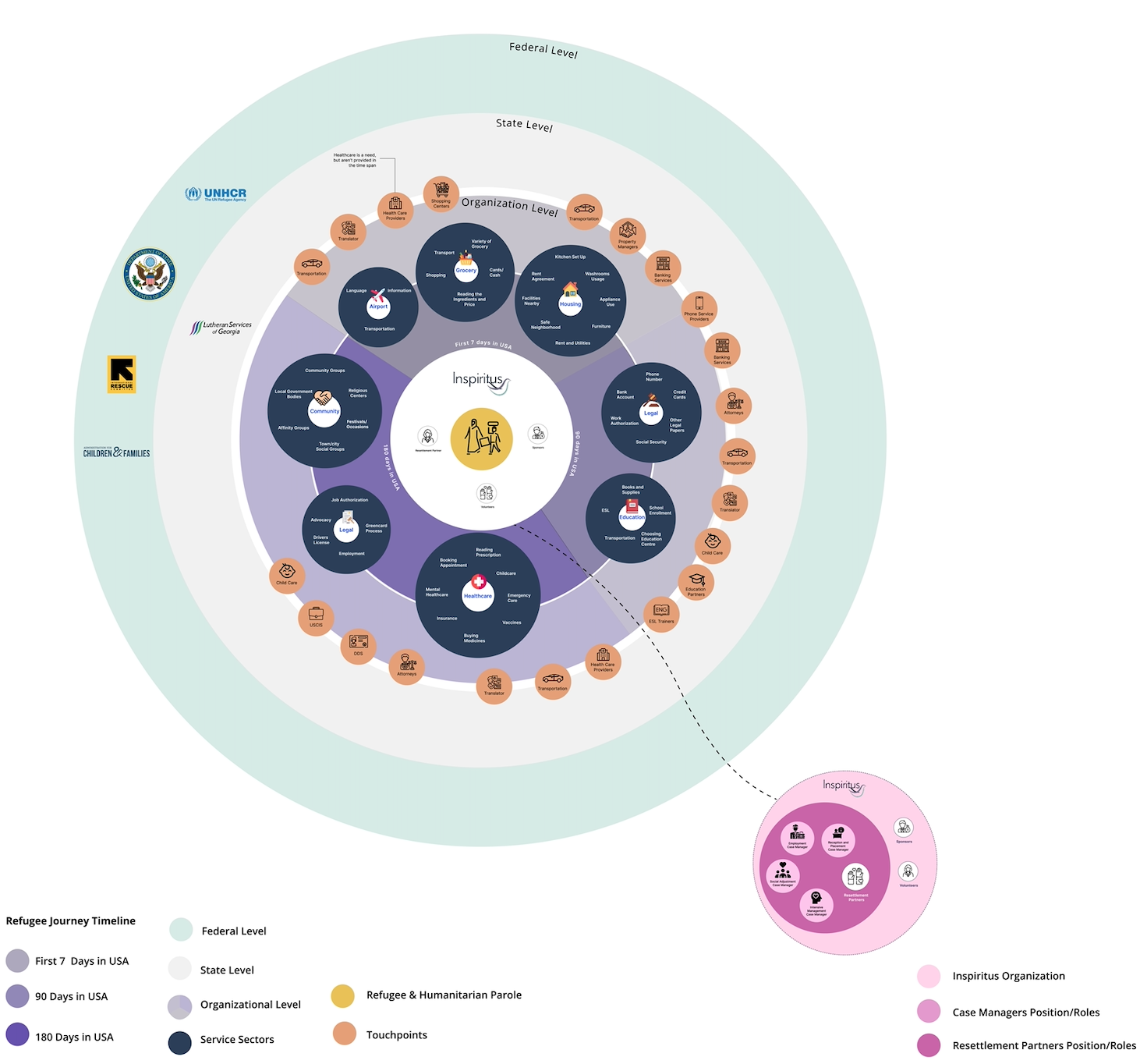
The Ecosystem
The following ecosystem map represents all that was learnt by the team during the research phase. In such a complex context, many actors in form of public entities, both at a regional or worldwide level, companies, and NGOs influence and shape the refugees’ experience in the resettlement process. In this case we decided to differentiate those that come into contact in the different stages of the process (First 7 days, 90 days, etc.)
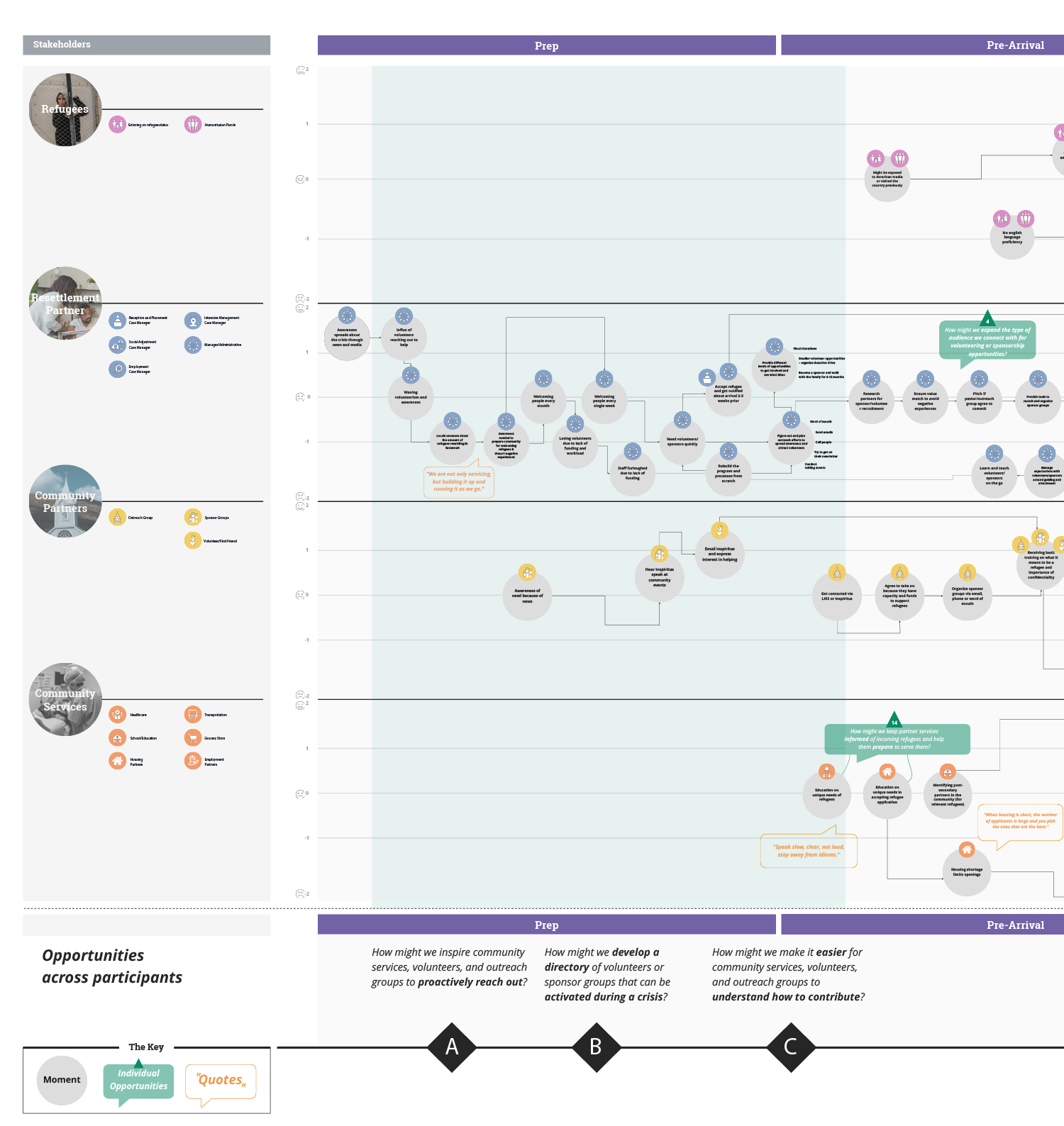
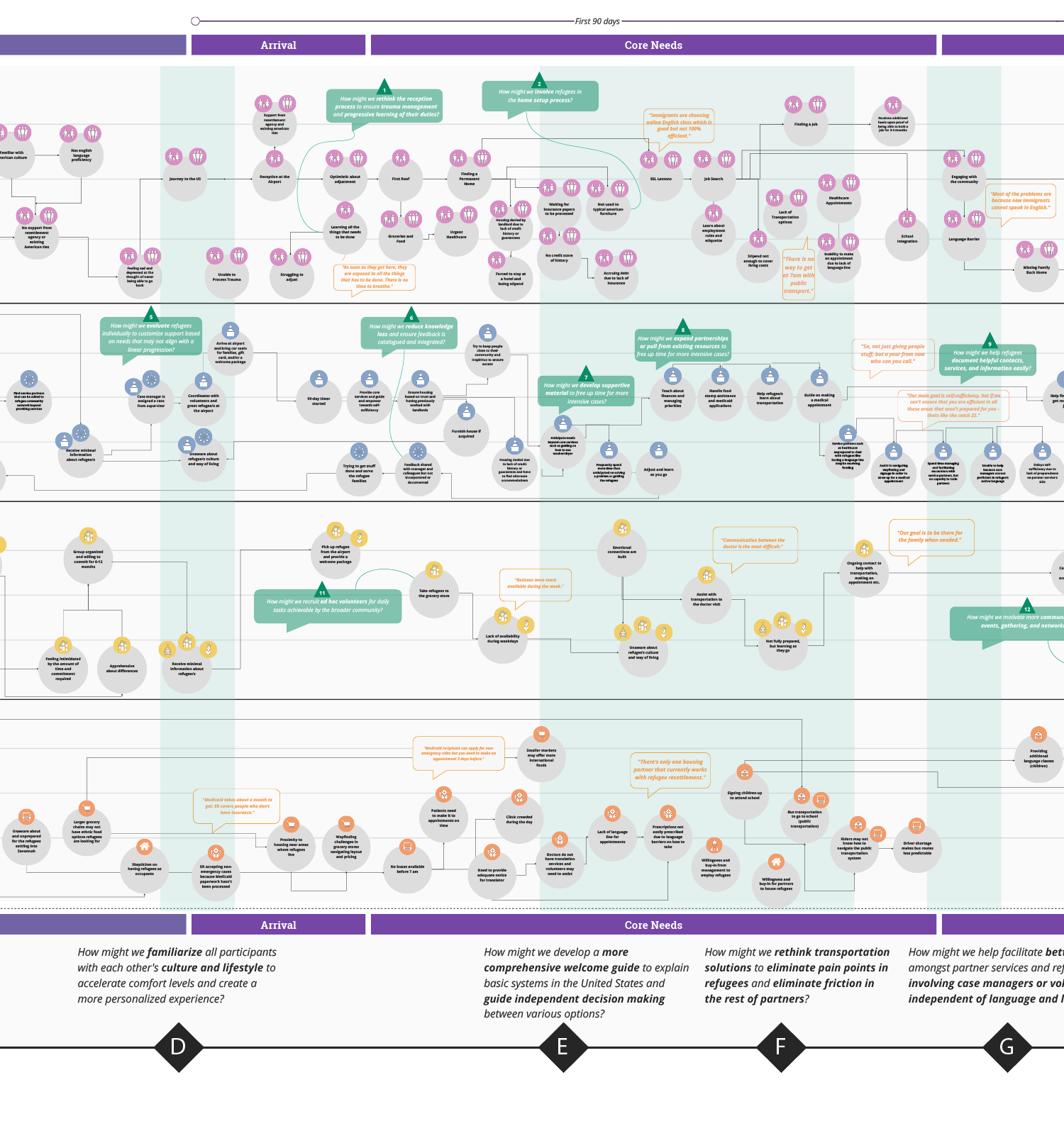
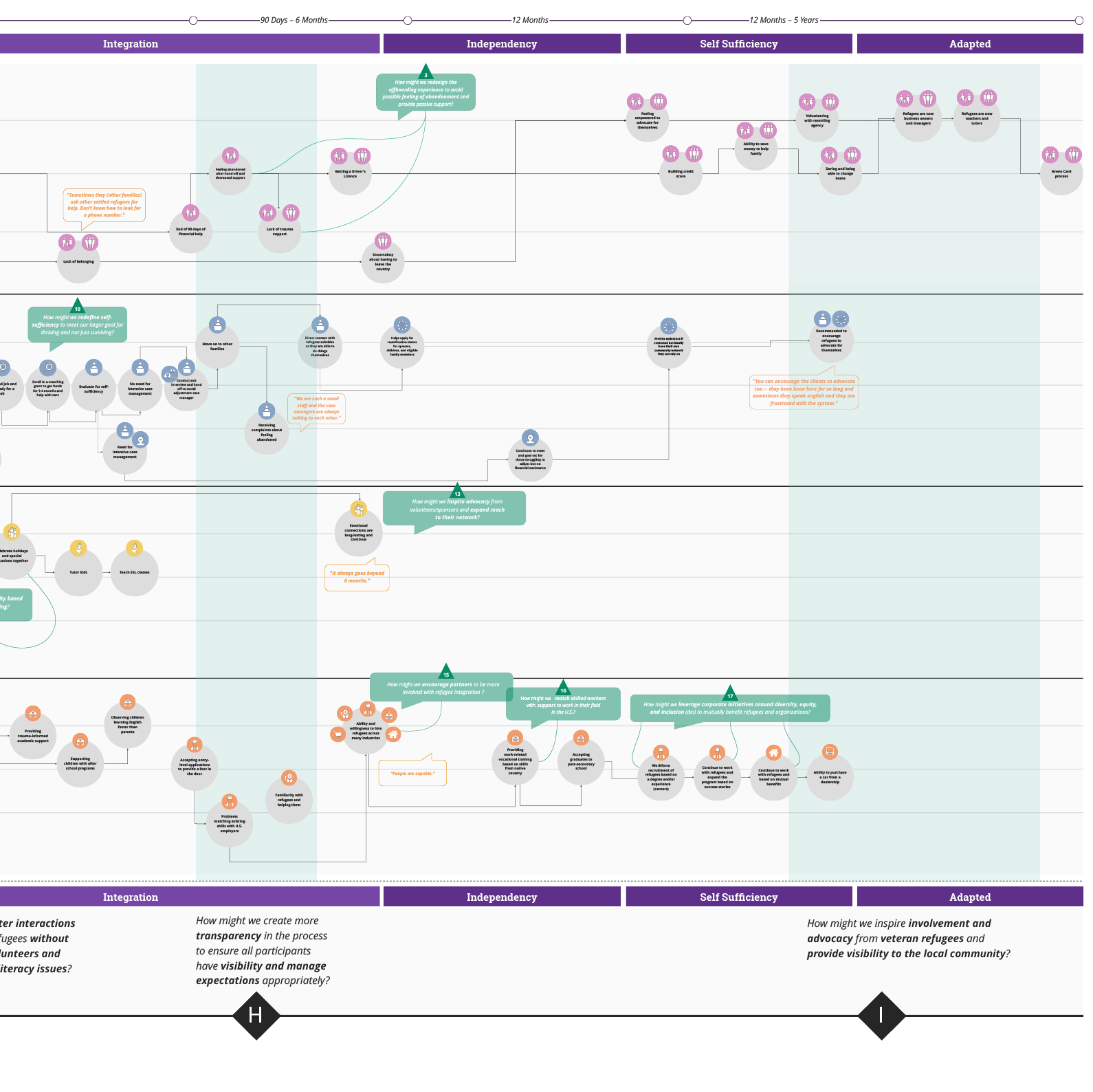
The Experience Mesh
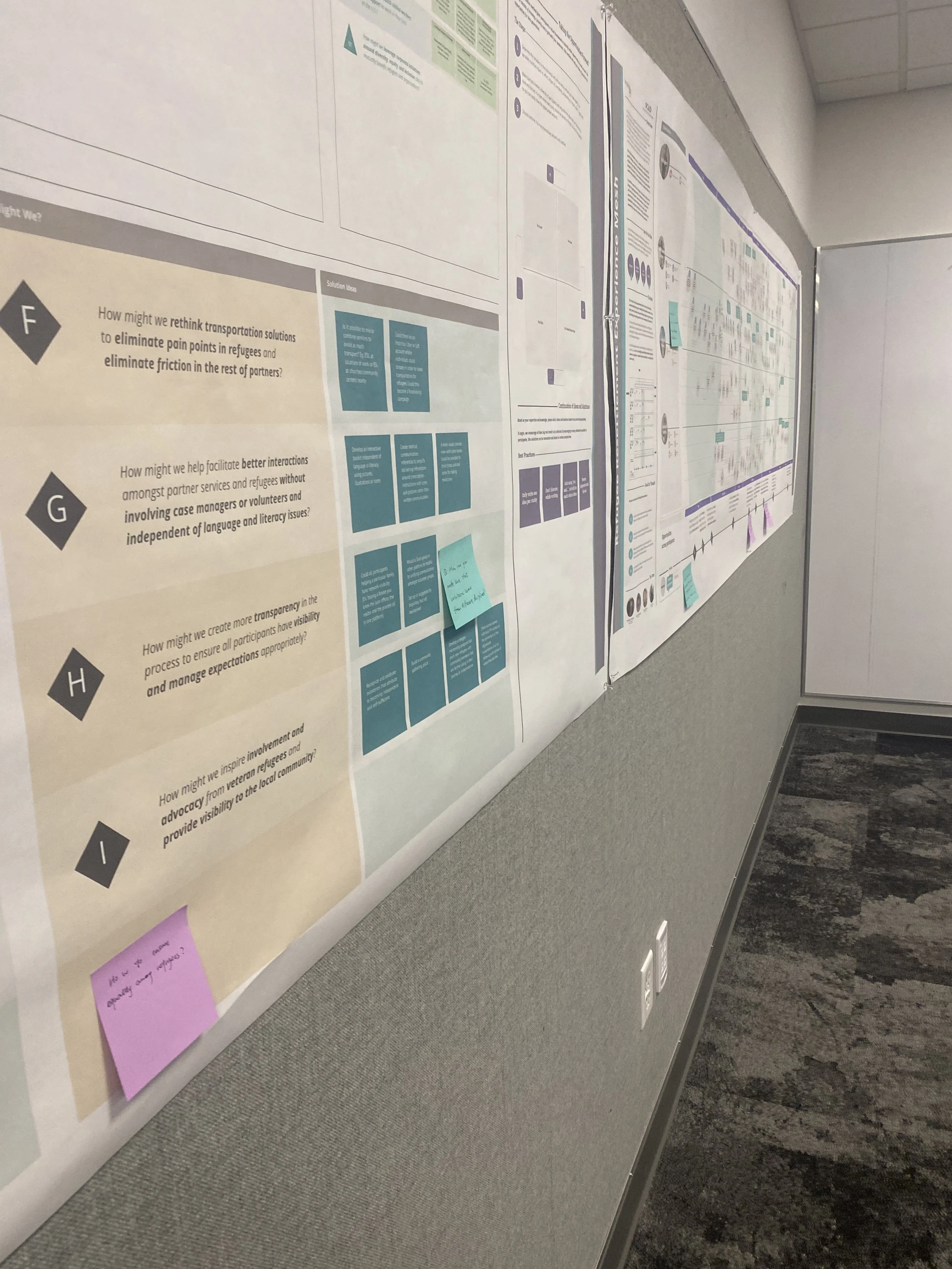
This map is a visual representation of the stories of all participants, contextualized across time to identify interdependent moments and how they connect to achieve the goal of helping refugees to go from surviving to thriving and resettling within the local community of Savannah, GA. The map can be read vertically and horizontally to uncover gaps and opportunities on an individual level to a collective level across all people participating. The emotion scale on the left provides an immediate visual cue for pain points and gaps.
It primarily provides a shared understanding of the complexity of this system. You can use it to identify opportunities for enhancing specific moments, reorganize or rebuild internal capabilities, or reimagine the entire service.

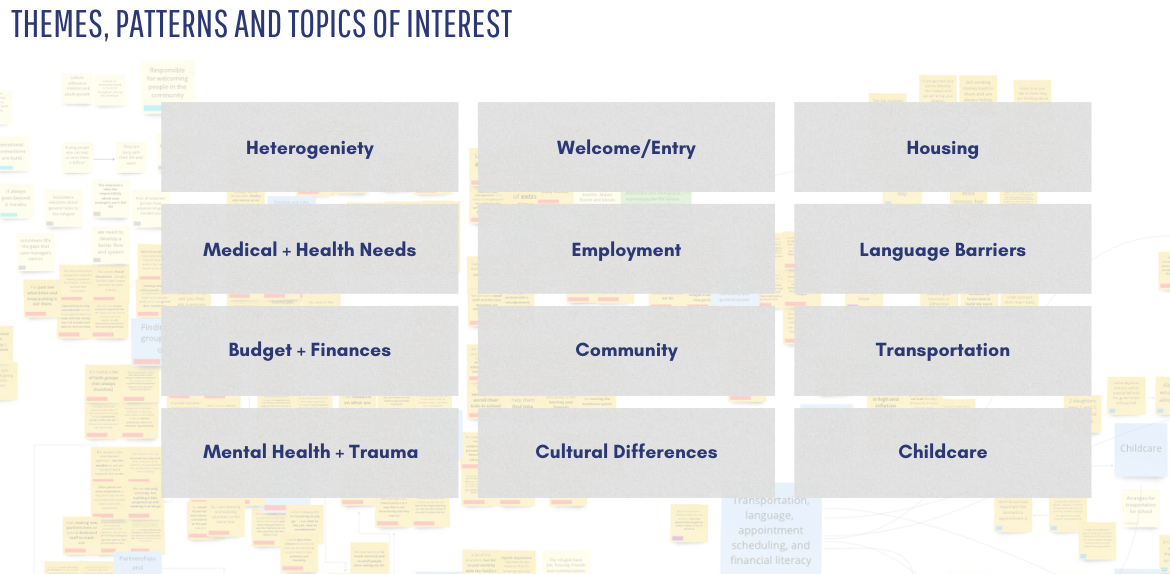
Synthesis and Opportunities
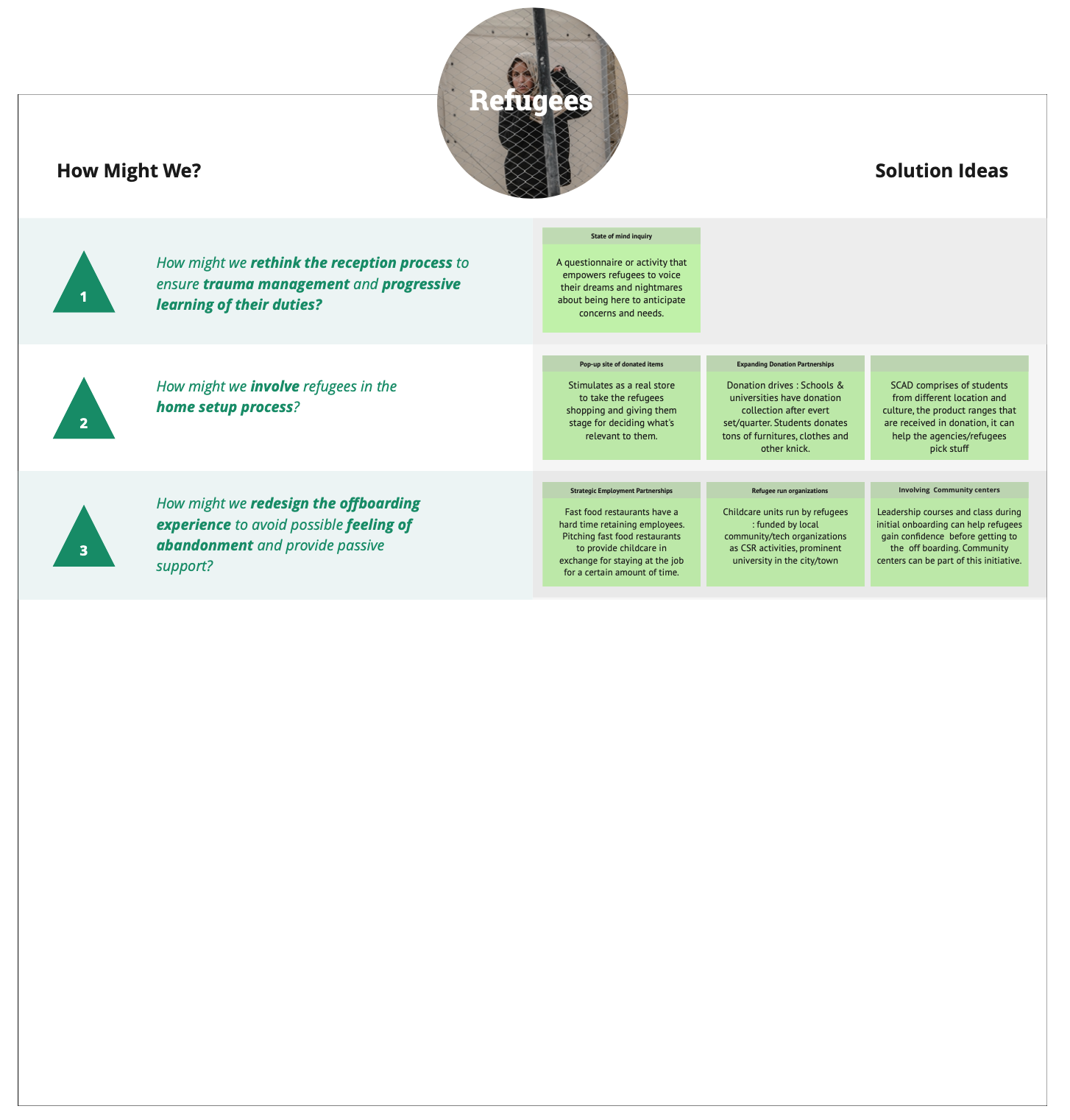
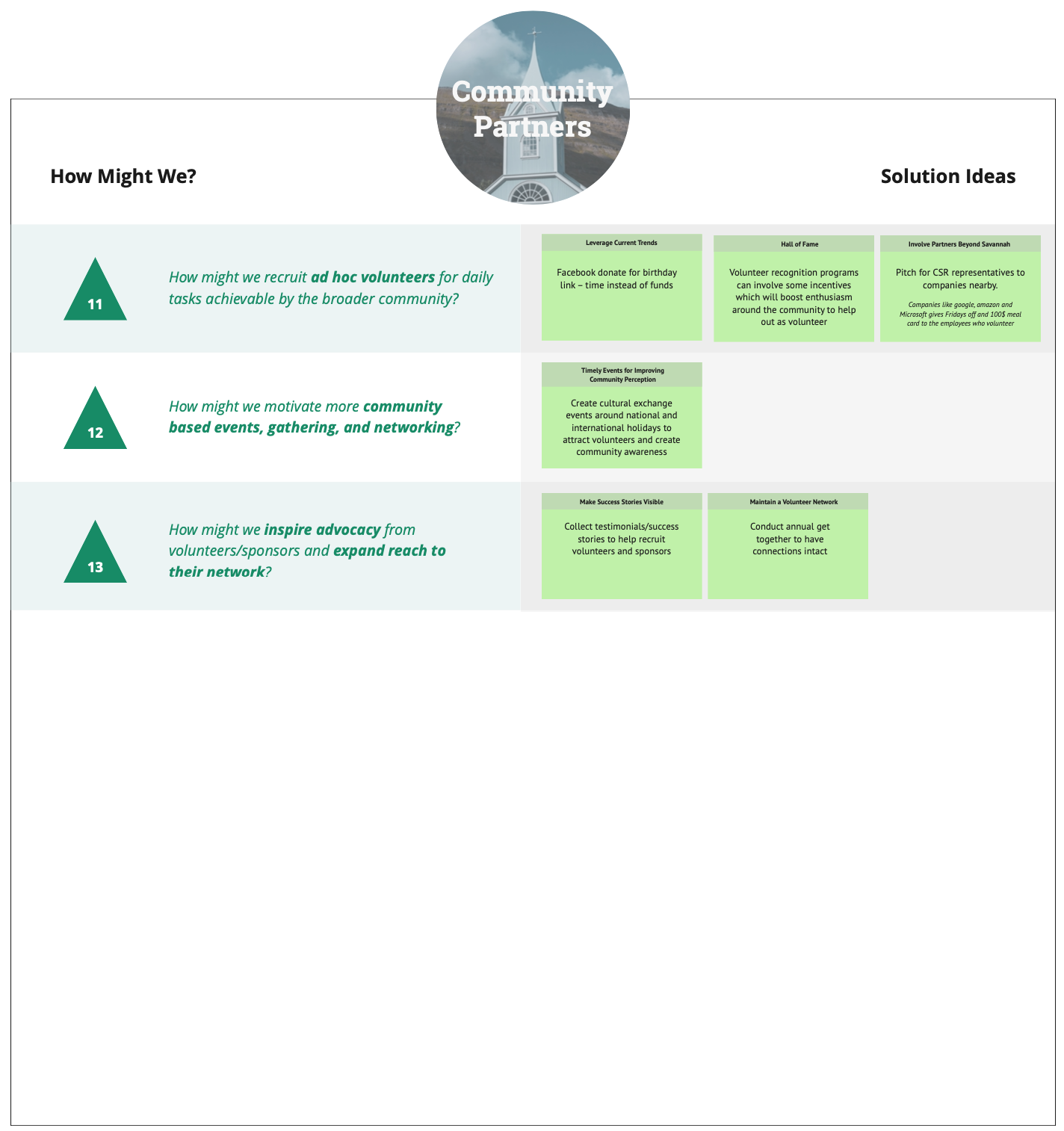
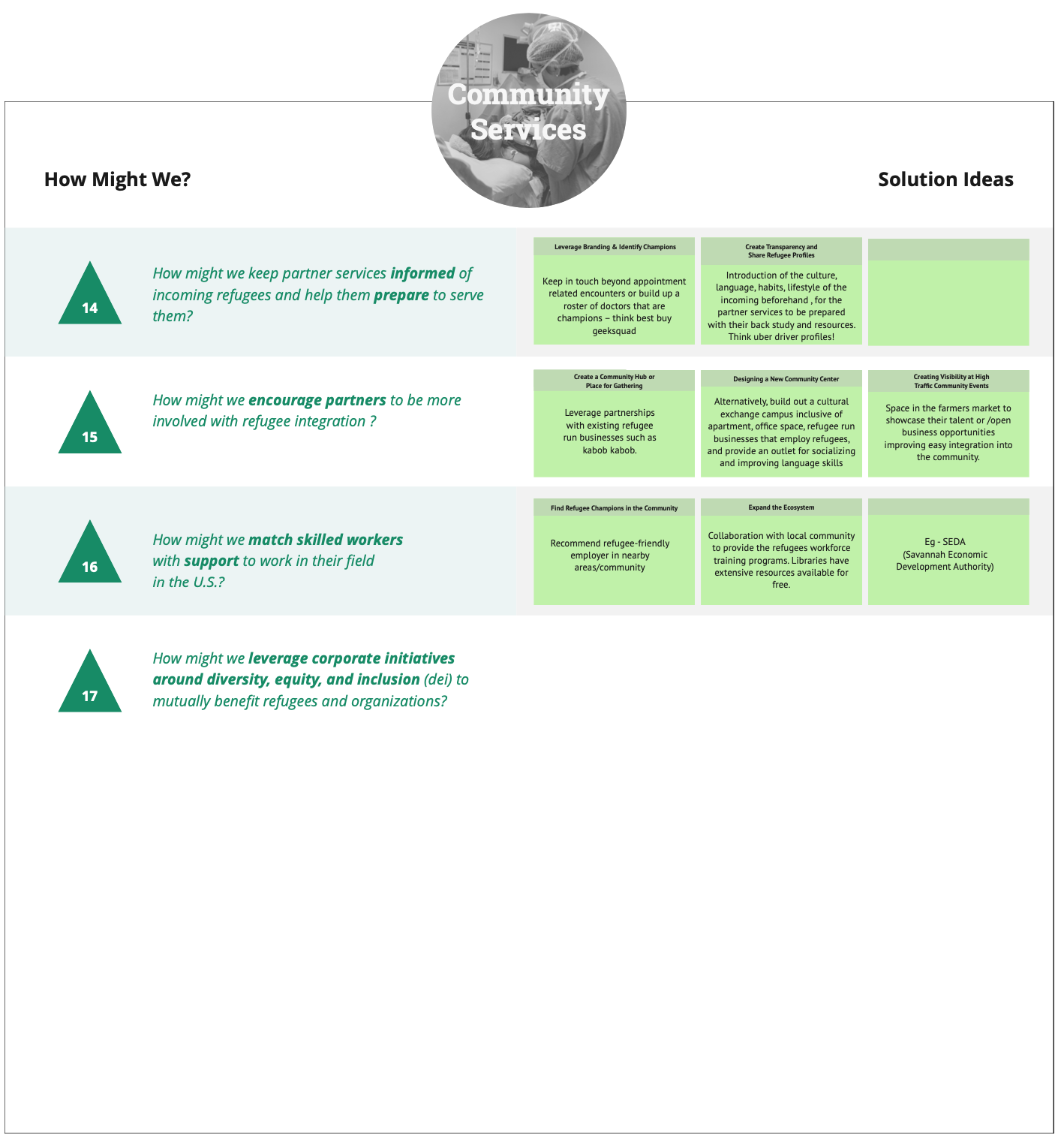
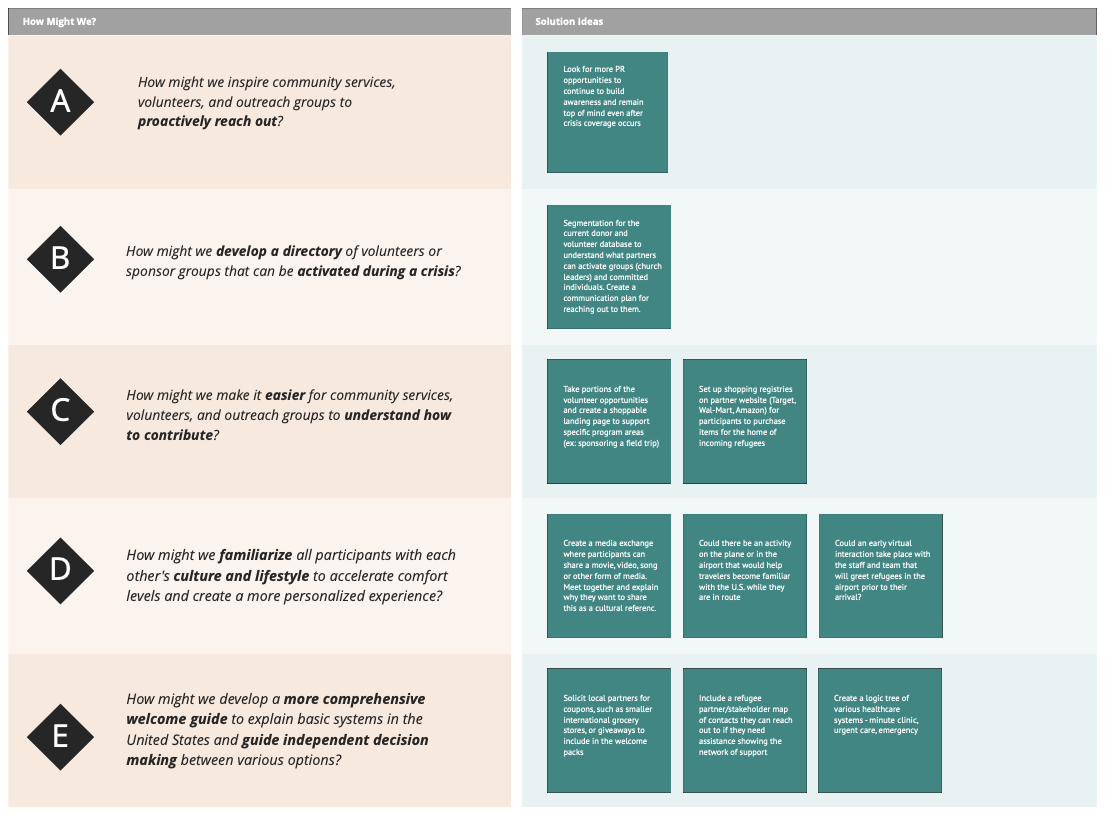
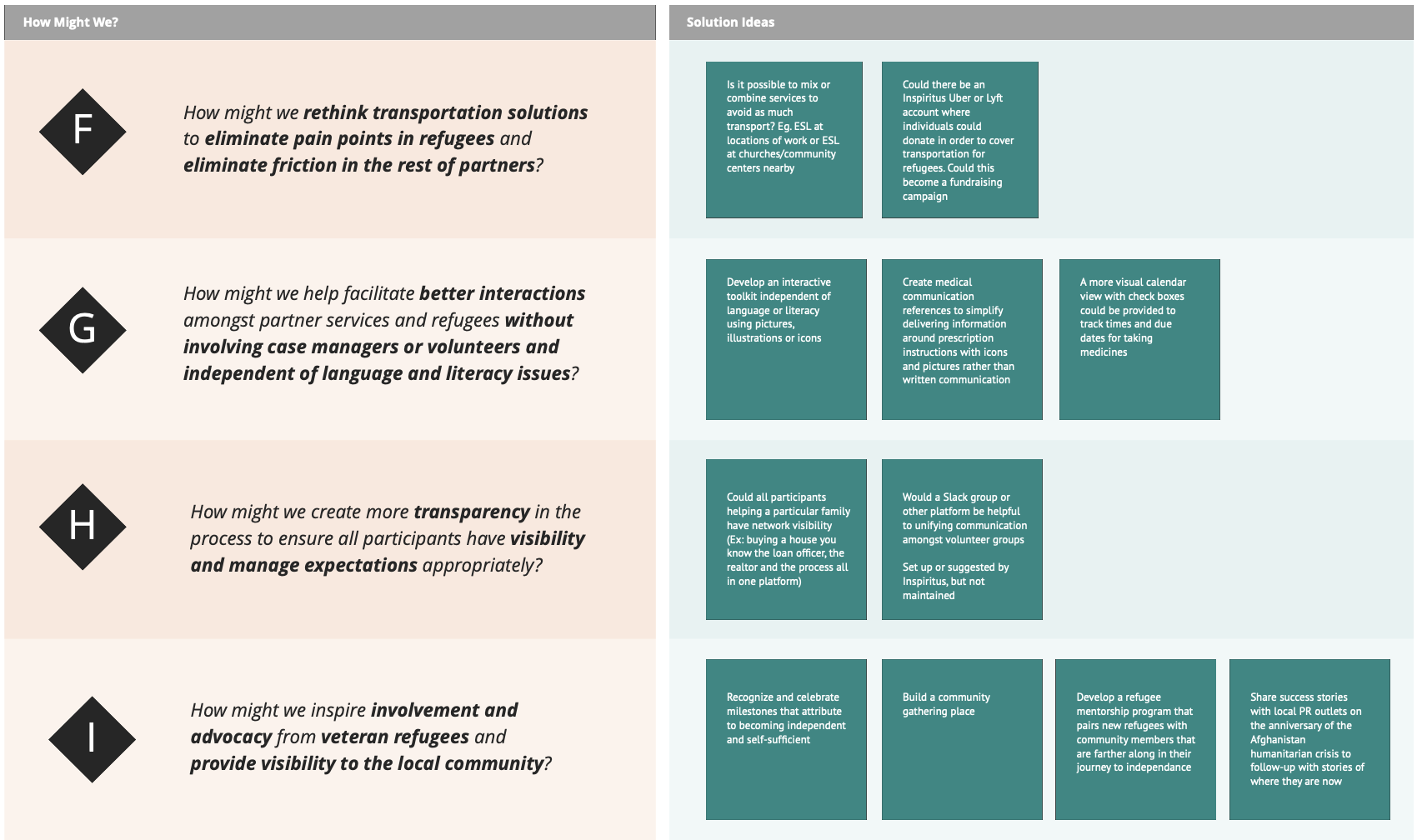
The final deliverable of the condensed information was accompanied with a set of ideas product of a first iteration of an ideation session, to promote and impulse rapid prototyping and testing internally at the organization. Both individual opportunities for specific groups and opportunities that impact all the process participants were plotted separately and ideas were presented represented as post it notes to encourage scratching, adding and correcting, as part of a continuous process.